Hair Transplant Clinic Bangkok: What to Know Before You Choose One
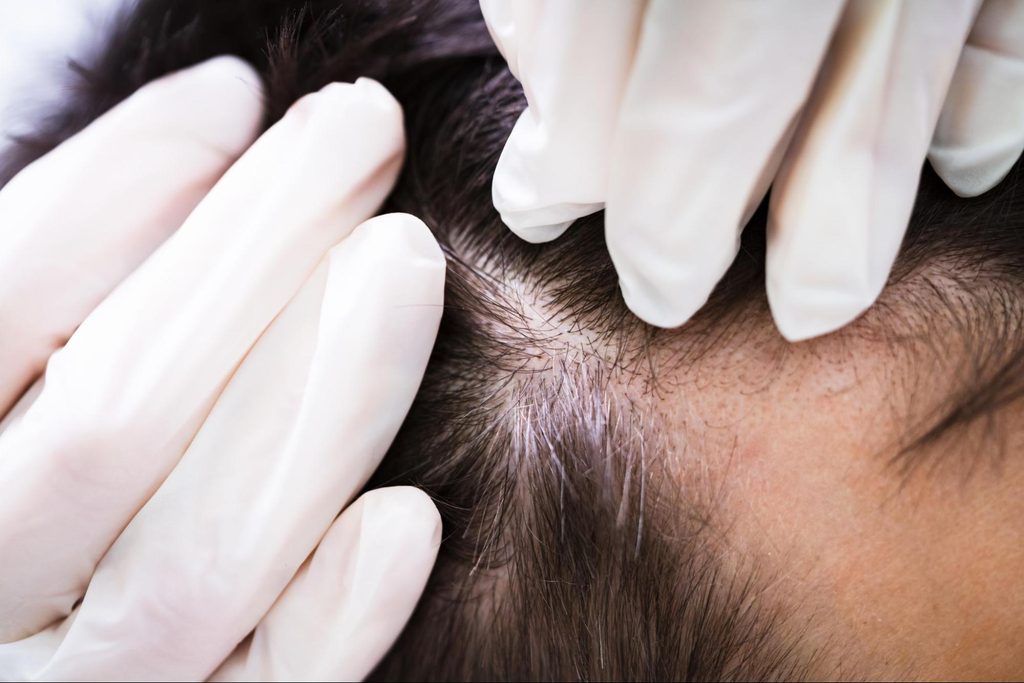
Hair loss and thinning hair are common concerns that can affect both appearance and confidence. For those considering treatment, a Hair Transplant Clinic Bangkok can provide options for addressing areas with reduced hair density. The appropriate approach depends on factors such as the cause of hair loss, scalp condition, and the availability of donor hair.
Hair transplant procedures can involve different techniques, including FUE, MCG, and other approaches depending on the clinic and individual needs. Understanding how each technique works, along with the factors that influence treatment costs and recovery, can help you make a more informed decision before undergoing the procedure.
What Hair Transplant Involves
Hair transplant surgery moves hair follicles from an area with denser growth, typically the back of the scalp, to areas affected by thinning or baldness. This works because hair at the back of the head tends to be less sensitive to DHT, the hormone most associated with hair loss, so once relocated, it can generally keep growing on its own over the long run rather than shedding again the way it did in its original spot. A doctor maps out the new hairline based on the natural direction hair would otherwise grow, and how the result looks has a lot to do with that planning and the angle each graft is placed at.
Bangkok in particular has a fair number of doctors with training and experience specifically in hair and scalp treatment, along with equipment broadly comparable to what’s used in many higher-cost countries. Combined with prices that are typically a fraction of those in Western countries, this is a large part of why medical travelers choose to have the procedure done here.
Techniques Used at Hair Transplant Clinics in Bangkok
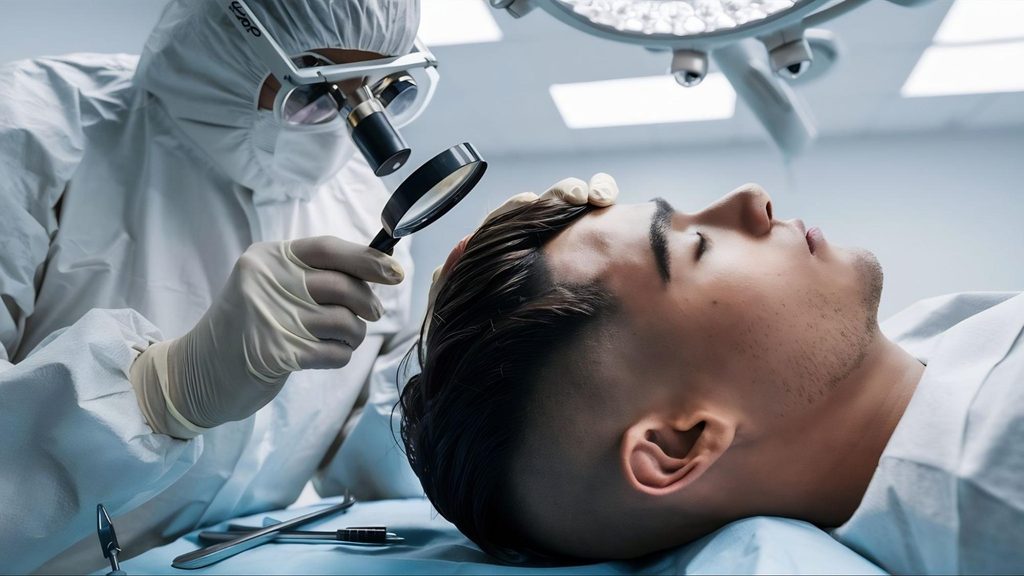
Most clinics in Bangkok work with two main techniques, FUE and FUT, along with variations built on top of them. Which one makes sense for a given case depends on hair and scalp condition, how many grafts are needed, and personal preference around scarring and downtime.
FUE (Follicular Unit Extraction)
FUE involves extracting individual follicular units one at a time using a small tool, without a linear incision. It tends to heal within about a week and doesn’t leave a visible line-shaped scar, which makes it a common pick for people who want to keep their hair short afterward, though it usually takes longer in the operating chair.
Non-Shaven FUE
Non-Shaven FUE is a variation of FUE where grafts are taken without shaving the donor area beforehand, letting the surrounding hair cover the extraction points. It’s often chosen by people who’d rather keep the procedure less noticeable.
MCG (Micrograft)
MCG (Micrograft) is a hair transplant technique that uses small grafts containing individual follicular units, which are extracted from the donor area and placed in areas with thinning hair. The technique focuses on working with smaller grafts to support the placement of hair in areas such as the hairline or other areas with reduced density.
What the Treatment Process Looks Like
The process usually starts with a doctor examining the scalp and the amount of hair available at the back of the head, then discussing whether FUE or FUT fits the case better and mapping out the hairline position and graft count together with the patient. On the day itself, the donor area is numbed with local anesthesia before grafts are collected and placed one by one, aiming for a direction that matches how hair would naturally grow. The full session usually runs somewhere around six to eight hours, depending on how much area needs to be covered.
Some soreness in the first 48 hours is common, and the treated area typically dries and forms light scabs over the following one to two weeks. Following the doctor’s specific aftercare instructions closely tends to make the biggest difference to how the result eventually turns out.
How Much Does Hair Transplant Cost in Bangkok?
Pricing at a hair transplant clinic in Bangkok isn’t fixed across the board. Costs typically start at around fifty thousand baht and can run into the low hundreds of thousands for cases that need to cover a larger area, mainly depending on the number of grafts needed, the technique used, the doctor performing the procedure, and any additional aftercare such as PRP sessions or supplementary medication. Compared with countries such as Turkey or those in Europe, prices in Bangkok tend to sit in a middle range, generally higher than some Turkish clinics but a good deal lower than comparable procedures in Western Europe or North America.
Conclusion
A hair transplant clinic in Bangkok is a reasonable option to look into for people dealing with hair loss or baldness, thanks to treatment standards that generally line up with international norms, doctors with focused training in hair restoration, and techniques such as FUE that avoid a visible linear scar. How the result turns out ultimately comes down to choosing a clinic with a team you feel comfortable with, following aftercare instructions closely, and giving the hair time, generally around a year, to grow in through its natural cycle before judging the final outcome.